
The Role of Thickeners in Tailings Treatment: Essential Technology for Modern Mining
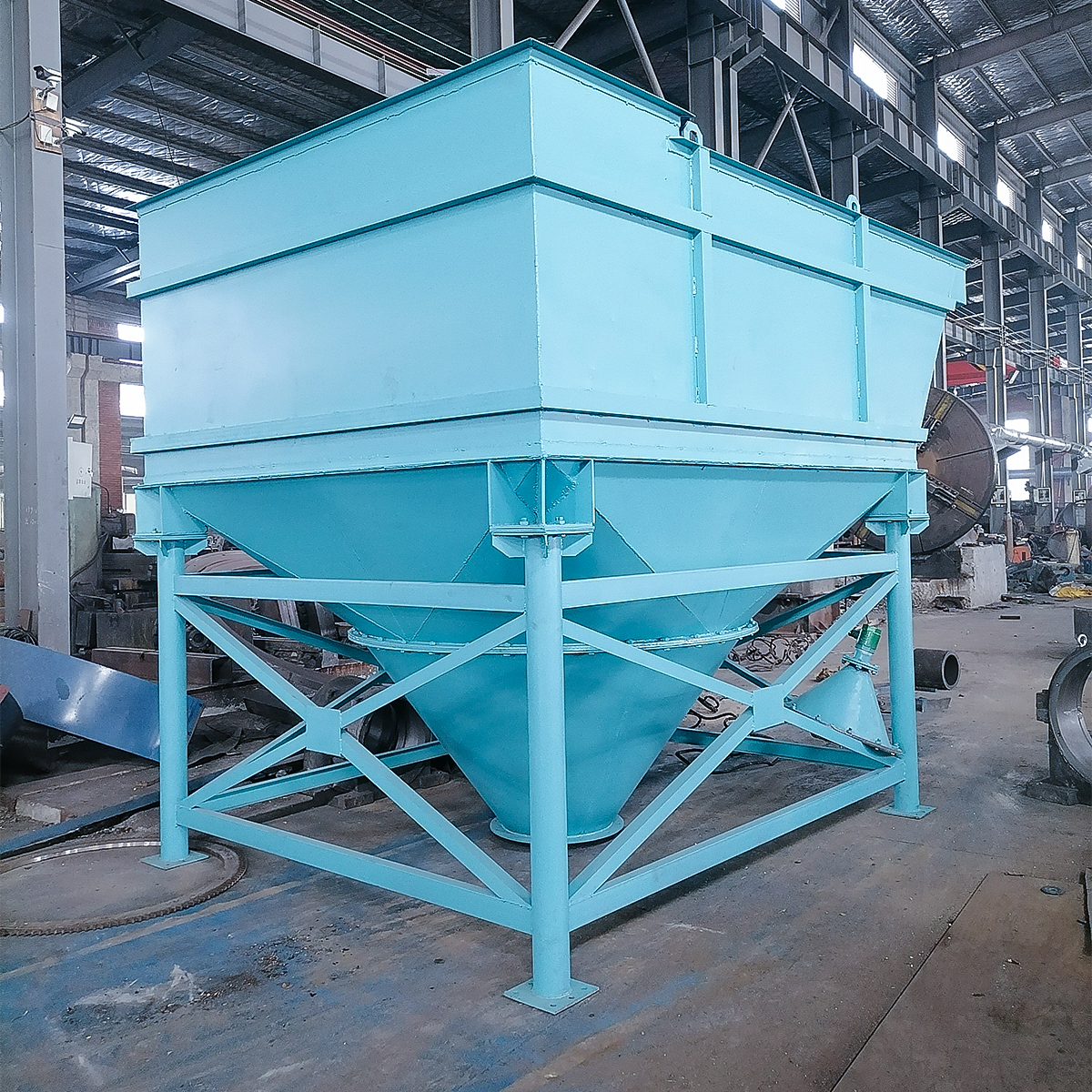
Tailings treatment has become one of the most critical challenges in modern mining operations. As ore grades decline and environmental regulations tighten, mining companies are under increasing pressure to manage tailings efficiently, reduce water consumption, and minimize environmental impact. Within this context, understanding the role of thickeners in tailings treatment is essential for sustainable and cost-effective mineral processing.
Thickeners are widely used in tailings treatment systems to separate solids from process water, enabling water recovery, improved tailings handling, and safer disposal. This article provides an in-depth analysis of the role of thickeners in tailings treatment, covering working principles, thickener types, operational challenges, optimization strategies, and real-world applications across mining industries.
Tabla de Contenido
- 1. Overview of Tailings Treatment in Mining Operations
- 2. What Are Thickeners and How Do They Work?
- 3. The Role of Thickeners in Tailings Treatment
- 4. Types of Thickeners Used in Tailings Management
- 5. Thickener Design and Key Components
- 6. Water Recovery and Recycling Through Thickeners
- 7. Thickener Performance Challenges in Tailings Treatment
- 8. Thickener Optimization and Process Control
- 9. Integration of Thickeners with Tailings Disposal Systems
- 10. Environmental and Regulatory Benefits of Thickeners
- 11. Equipment Selection for Tailings Thickening Systems
- 12. Maintenance Best Practices for Tailings Thickeners
- 13. Application Scenarios and Industry Case Insights
- 14. Future Trends in Thickener Technology for Tailings Treatment
- 15. Final Thoughts: Why Thickeners Are Critical to Tailings Management
1. Overview of Tailings Treatment in Mining Operations
Tailings are the residual materials left after valuable minerals are extracted from ore. These materials typically contain finely ground solids, water, and residual process chemicals. Effective tailings treatment is essential to ensure operational safety, environmental protection, and regulatory compliance.
Traditional tailings disposal methods often rely on large tailings ponds, which consume vast amounts of water and pose long-term environmental risks. Modern tailings treatment strategies emphasize water recovery, volume reduction, and improved tailings stability. This is where thickeners play a central role in tailings treatment systems.

2. What Are Thickeners and How Do They Work?
Thickeners are separation devices that use gravity settling to increase the solids concentration of slurry. In tailings treatment, thickeners separate fine solids from process water, producing clarified overflow water and thickened underflow slurry.
The basic thickener working principle involves slowing down slurry flow to allow solid particles to settle. Flocculants are often added to enhance particle aggregation and accelerate settling rates, improving thickener performance in tailings treatment.
3. The Role of Thickeners in Tailings Treatment
The role of thickeners in tailings treatment extends beyond simple solid-liquid separation. Thickeners directly influence water management, tailings transport, storage stability, and overall plant efficiency.
Key roles of thickeners in tailings treatment include:
- Increasing solids concentration in tailings
- Recovering and recycling process water
- Reducing tailings storage volume
- Improving downstream tailings handling
- Supporting environmental compliance
4. Types of Thickeners Used in Tailings Management
Different tailings characteristics require different thickener designs. Common thickener types used in tailings treatment include:
- Conventional thickeners
- High-rate thickeners
- High-density thickeners
- Paste thickeners
Each thickener type offers specific advantages depending on solids content, particle size distribution, and water recovery requirements.
5. Thickener Design and Key Components
A tailings thickener consists of several critical components that influence performance:
- Feedwell and energy dissipation system
- Rake mechanism and drive unit
- Tank structure and floor slope
- Overflow launder and underflow discharge
Optimized thickener design ensures stable operation, high underflow density, and clear overflow water in tailings treatment applications.
6. Water Recovery and Recycling Through Thickeners
Water recovery is one of the most important benefits of using thickeners in tailings treatment. Clarified overflow water can be reused in grinding, flotation, and washing processes, reducing freshwater consumption.
When combined with upstream equipment such as ball mills and flotation machines, thickeners form an efficient closed-loop water management system.
7. Thickener Performance Challenges in Tailings Treatment
Despite their advantages, thickeners face operational challenges in tailings treatment:
- Low settling rates
- Rake torque overload
- Poor overflow clarity
- Unstable underflow density
These issues often result from variable tailings properties, improper flocculant dosing, or inadequate process control.
8. Thickener Optimization and Process Control
Optimizing thickener performance requires a combination of mechanical design improvements and advanced control strategies.
Automated systems can adjust feed rate, flocculant dosage, and rake speed in real time, improving thickener stability and efficiency in tailings treatment.
9. Integration of Thickeners with Tailings Disposal Systems
Thickened tailings can be transported to tailings storage facilities using pumps, conveyors, or gravity pipelines. Integration with slurry pumps ensures efficient transport while minimizing water loss.
In advanced tailings management systems, thickeners are also paired with filtration equipment for further dewatering.
10. Environmental and Regulatory Benefits of Thickeners
By reducing water usage and tailings volume, thickeners play a vital role in helping mining operations meet environmental and regulatory requirements.
Improved tailings stability reduces the risk of dam failures and environmental contamination.
11. Equipment Selection for Tailings Thickening Systems
Selecting the right thickener depends on tailings characteristics, throughput requirements, and site conditions. Proper selection ensures compatibility with upstream processes such as jaw crushers and downstream dewatering systems.
12. Maintenance Best Practices for Tailings Thickeners
- Routine inspection of rake mechanisms
- Monitoring torque and drive systems
- Regular calibration of flocculant dosing systems
- Timely replacement of wear components
13. Application Scenarios and Industry Case Insights
Thickeners are widely used in metal mining, coal processing, mineral sands operations, and tailings reprocessing projects. Their role in tailings treatment continues to expand as sustainability becomes a core industry focus.
14. Future Trends in Thickener Technology for Tailings Treatment
Future developments in thickener technology include higher-density underflow designs, improved automation, and enhanced flocculant efficiency. These innovations further strengthen the role of thickeners in tailings treatment.
15. Final Thoughts: Why Thickeners Are Critical to Tailings Management
The role of thickeners in tailings treatment is fundamental to modern, responsible mining. By improving water recovery, reducing environmental impact, and enhancing operational efficiency, thickeners support sustainable tailings management across the mining industry.
For mining operations seeking reliable tailings treatment solutions, partnering with an experienced equipment manufacturer ensures optimal thickener selection, system integration, and long-term performance.