
Engineering Guide to Crusher and Screening Systems in Mineral Processing Plants: Design Logic, Capacity Control, and Cost Optimization
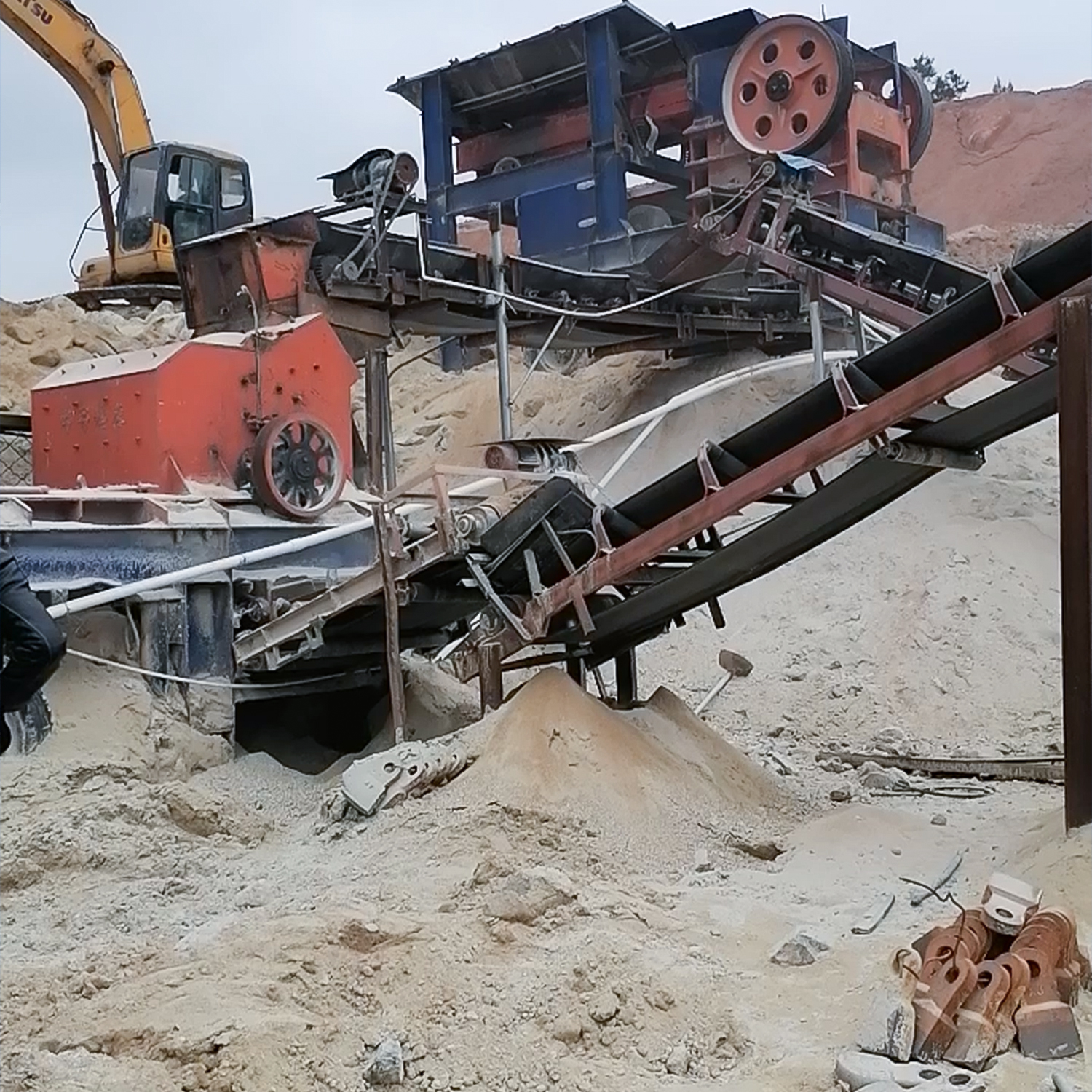
In mineral processing plants, crusher and screening systems determine not only the production capacity but also the stability, operating cost, and downstream process efficiency. Poor system design often results in excessive recirculation, uneven product size distribution, high wear rates, and frequent unplanned downtime. This engineering guide provides a structured, process-based analysis of crusher and screening systems, focusing on equipment selection logic, system integration, and long-term operational optimization.
Tabla de Contenido
- 1. Role of Crusher and Screening Systems in Mineral Processing
- 2. Typical Crushing and Screening Process Layouts
- 3. Crusher Selection Based on Ore Characteristics
- 4. Screening Principles and Equipment Selection
- 5. Capacity Control and Load Balancing
- 6. Common Operational Problems and Engineering Solutions
- 7. Engineering Case Study: Crushing & Screening Optimization
- 8. Maintenance Strategy and Wear Cost Control
- 9. Engineering Decision Framework for Equipment Selection
1. Role of Crusher and Screening Systems in Mineral Processing
Crusher and screening systems form the front-end core of mineral processing plants. Their primary function is to reduce run-of-mine (ROM) ore to a size suitable for downstream processes such as washing, grinding, flotation, or heap leaching. The efficiency of these systems directly influences plant throughput, energy consumption, and overall recovery rates.
From an engineering perspective, crushing and screening should be treated as an integrated system rather than isolated equipment units. Improper coordination between crushers and screens leads to oversized material bypass, excessive fines generation, and unstable plant operation.
2. Typical Crushing and Screening Process Layouts
Crushing and screening layouts vary depending on ore hardness, plant capacity, and product requirements. Common configurations include:
- Two-stage crushing (primary + secondary)
- Three-stage crushing (primary + secondary + tertiary)
- Closed-circuit crushing with screening feedback
In most mineral processing plants, closed-circuit systems are preferred. Screens control product size by returning oversized material to crushers, ensuring consistent feed to downstream operations. Proper layout design reduces unnecessary crushing and improves energy efficiency.
3. Crusher Selection Based on Ore Characteristics
Crusher selection must be based on ore properties rather than nominal capacity alone. Key factors include compressive strength, abrasiveness, moisture content, and feed size distribution.
- Jaw crushers are widely used for primary crushing of hard and abrasive ores.
- Impact crushers are suitable for softer materials and applications requiring good particle shape.
- Cone crushers are commonly used for secondary and tertiary crushing where precise size control is required.
Engineering selection should prioritize mechanical reliability and wear resistance. Inappropriate crusher choice often results in excessive liner wear, unstable discharge size, and high operating costs.
Primary crushing systems often integrate jaw crushers with regulated feed systems to maintain consistent loading and protect downstream equipment.
4. Screening Principles and Equipment Selection
Screening equipment classifies crushed material into different size fractions. The effectiveness of screening depends on screen type, motion trajectory, deck configuration, and feed distribution.
Vibrating screens are the most common choice in mineral processing due to their high capacity and adaptability. Vibrating screens can be configured as linear or circular types depending on material characteristics and screening objectives.
Engineering selection of screening equipment should consider:
- Required screening efficiency
- Screen aperture size and deck arrangement
- Material moisture and fines content
- Maintenance accessibility and wear part replacement
5. Capacity Control and Load Balancing
One of the most critical engineering challenges in crusher and screening systems is capacity control. Uneven feed rates cause crusher overloads, screen blinding, and unstable downstream operation.
To achieve stable capacity, controlled feeding systems such as vibrating feeders are used to regulate material flow into crushers. Proper feeder selection ensures uniform material distribution across the crusher chamber and screen decks.
Load balancing across multiple crushing stages minimizes recirculation loads and improves overall system efficiency. Engineers often adjust crusher settings and screen aperture sizes together to maintain optimal throughput.
6. Common Operational Problems and Engineering Solutions
Common issues observed in crushing and screening systems include:
- Excessive circulating load due to undersized screens
- Uneven wear of crusher liners
- Screen blinding caused by wet or sticky material
- Frequent bearing and motor failures
Engineering solutions typically involve system-level adjustments rather than equipment replacement. Improving feed distribution, adjusting screen inclination, and optimizing crusher closed-side settings often resolve performance issues without significant capital investment.
7. Engineering Case Study: Crushing & Screening Optimization
A medium-capacity mineral processing plant experienced unstable production due to excessive recirculation in its secondary crushing stage. Engineering analysis revealed that the screening capacity was insufficient relative to crusher output.
The solution involved upgrading the vibrating screen to a multi-deck configuration and recalibrating crusher discharge settings. After optimization:
- Circulating load was reduced by approximately 18%
- Overall plant throughput increased by 12%
- Wear life of crusher liners improved significantly
This case demonstrates that screening efficiency often limits crushing system performance more than crusher capacity alone.
8. Maintenance Strategy and Wear Cost Control
Crusher and screening equipment operate under high mechanical stress and abrasive conditions. Effective maintenance strategies focus on predictive monitoring rather than reactive repairs.
- Routine inspection of bearings and drive systems
- Monitoring vibration and temperature trends
- Scheduled replacement of wear parts
Proactive maintenance reduces unplanned downtime and extends equipment service life, resulting in lower total cost of ownership.
9. Engineering Decision Framework for Equipment Selection
Selecting crusher and screening equipment should follow a structured engineering decision framework that evaluates process compatibility, reliability, and lifecycle cost. Working with an experienced mineral processing equipment manufacturer ensures systems are engineered for site-specific conditions rather than generic capacity ratings.
Well-designed crusher and screening systems improve operational stability, reduce energy consumption, and support long-term production targets in mineral processing plants.