
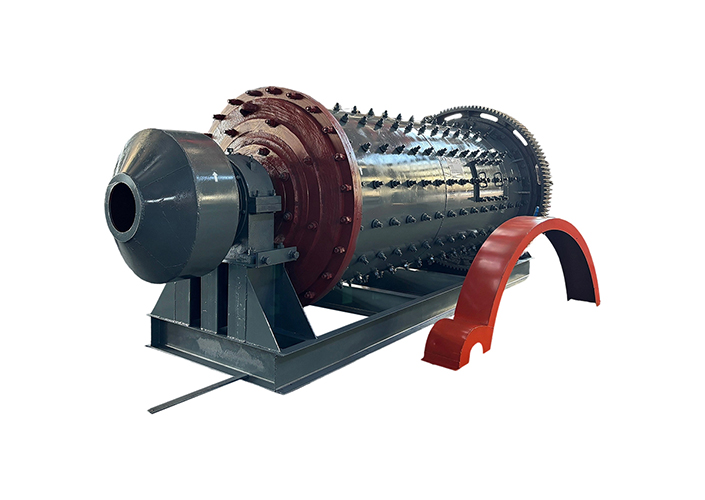
Increasing Output with High-Efficiency Grinding Mills
High-efficiency grinding mills are transforming the mining industry, enabling mineral processing plants to significantly increase production output while reducing energy consumption, operational costs, and equipment downtime. This guide explains how modern high-efficiency grinding mills—including ball mills, vertical roller mills, and ultra-fine grinding systems—are engineered to improve throughput and grinding performance across gold, copper, iron, and other ore-processing operations.
This article covers grinding mill optimization, capacity upgrades, energy efficiency improvements, material flow enhancement, advanced liner design, and smart control systems—everything needed to maximize output for both new and existing mining plants.
Tabla de Contenido
- 1. Introduction: Why Output Matters in Grinding Operations
- 2. Understanding High-Efficiency Grinding Mill Technology
- 3. Key Design Features That Increase Grinding Output
- 4. Energy Efficiency Improvements and Power Savings
- 5. Material Flow Optimization Techniques
- 6. Grinding Mill Liners and How They Affect Output
- 7. Sensors, Automation, and Smart Process Control
- 8. Maintenance Strategies for Higher Mill Efficiency
- 9. Grinding Mill Types Compared
- 10. Related Mining Equipment (Internal Product Links)
- 11. Conclusion
- 12. FAQ
1. Introduction: Why Output Matters in Grinding Operations
Grinding accounts for more than 40–60% of the total energy consumption in most mineral processing plants. This makes the grinding circuit one of the most important areas when mining companies seek to increase production. Using high-efficiency grinding mills dramatically improves capacity, reduces electricity usage, and lowers the cost per ton of finished product.
In gold, copper, iron ore, lithium, and rare-earth processing, grinding efficiency directly affects:
- Overall plant throughput
- Final particle size distribution (PSD)
- Metallurgical recovery
- Energy cost per ton
- Wear life of grinding media and liners
Because of these advantages, many operations are now upgrading to energy-saving grinding mills with improved internal geometry, high-efficiency classifiers, and automatic control systems that keep the mill running at optimal performance.

2. Understanding High-Efficiency Grinding Mill Technology
A high-efficiency grinding mill is designed to maximize material reduction using advanced rotational dynamics, optimized liner geometry, controlled grinding media motion, and energy-saving drive technology. These improvements help mining plants achieve higher output without increasing power consumption.
2.1 What Makes a Grinding Mill “High-Efficiency”?
Key features of high-efficiency models include:
- Optimized grinding chamber geometry
- Improved media cascading and higher impact force
- Advanced classifiers for ultra-precise size control
- High-efficiency motors and variable frequency drives
- Reduced internal friction and smoother material flow
- Continuous monitoring with sensor networks
These features reduce wasted energy and allow the mill to operate closer to its theoretical grinding efficiency limit—resulting in substantially increased output.
2.2 Types of High-Efficiency Grinding Mills
Mining operations use several modern grinding technologies:
- High-efficiency ball mills for fine grinding and ore preparation
- Vertical roller mills (VRM) for low-energy, high-output grinding
- Ultra-fine grinding mills for mineral liberation and flotation enhancement
- Stirred media mills for sub-micron particle production
Each technology can significantly boost plant productivity when operated with optimized feed size, balanced airflow, and the correct liner design.
3. Key Technologies That Make High-Efficiency Grinding Mills More Productive
High-efficiency grinding mills rely on several modern engineering breakthroughs. These technologies ensure higher output, reduced downtime, and lower operational costs. In mining operations where material hardness varies, these innovations keep the system stable and productive. Below are the core technologies that increase capacity and ensure consistent particle size performance.
3.1 Variable Speed Drive (VSD) Systems
VSD systems allow operators to adjust rotational speed based on ore hardness and feed size. By optimizing mill speed, high-efficiency grinding mills achieve better breakage rates, lower energy consumption, and longer liner life.
- Enables real-time adjustment for ore variability
- Reduces excessive impact on liners and media
- Improves operational stability during peak loads
When combined with automatic control software, VSD is one of the most cost-effective methods for increasing output with high-efficiency grinding mills.

3.2 Advanced Wear-Resistant Liners
Modern wear-resistant liners such as high-manganese steel, ceramic composites, and chromium carbide significantly enhance mill longevity. Better liners mean higher effective grinding volume and fewer shutdowns for replacements—both essential for maximizing productivity.
Key advantages include:
- Improved impact and abrasion resistance
- Smoother internal flow of grinding media
- Better energy transfer to ore particles
This directly contributes to **higher output from high-efficiency grinding mills** in demanding mining environments.
3.3 High-Precision Classification Systems
The efficiency of a grinding circuit is largely dependent on its classification system. Using high-efficiency cyclones, air classifiers, or multi-deck screens can dramatically increase final product quality while reducing energy waste.
- Improves fine particle removal
- Reduces over-grinding
- Optimizes circulating load and throughput
Improved classification accuracy plays a central role in mining plants looking to increase output with high-efficiency grinding mills.
3.4 Automatic Lubrication Systems
Automated grease and oil distribution systems ensure continuous lubrication to bearings, gears, and seals. This reduces wear, eliminates manual errors, and keeps the grinding mill running at its highest efficiency.
- Lower friction and heat generation
- Increased bearing lifespan
- Reduced downtime from lubrication failures
Proper lubrication is one of the most overlooked factors in improving grinding mill output, yet one of the easiest to optimize.
4. How to Optimize Throughput in High-Efficiency Grinding Mills
Increasing throughput requires optimizing both equipment performance and operational processes. Below are the most effective strategies used by modern mining plants worldwide.
4.1 Maintain Optimal Feed Size Distribution
Ore must be sized correctly before entering the mill. Oversized materials cause energy waste, while undersized materials reduce grinding efficiency. Implementing a stable pre-crushing system is essential for any plant focused on increasing output with high-efficiency grinding mills.
Recommended equipment for upstream optimization:
4.2 Control Grinding Media Size and Charge Level
Grinding media significantly influence grind size, mill power draw, and throughput. Operators should regularly measure media wear and adjust filling levels to maintain stable grinding efficiency.
- Use larger balls for coarse grinding
- Use smaller balls for fine grinding
- Maintain ideal fill level (usually 30%-35%)
A stable media pattern directly increases productivity and reduces energy consumption in high-efficiency grinding mills.
4.3 Keep Circulating Load Balanced
Grinding circuits are often limited by cyclone performance or bottlenecks in the classification stage. Controlling circulating load prevents mill overload and allows the grinding system to operate at maximum output.
- Check cyclone apex regularly
- Adjust water ratio for required pressure
- Monitor particle size distribution (PSD)
Plants that maintain a stable circulating load see immediate improvements in performance and reliability.
5. Common Problems in Grinding Mills and How to Fix Them
Mining operators often deal with recurring problems that limit the output of grinding mills. Here are the most common issues and recommended solutions to maintain high productivity.
5.1 Mill Overloading
Symptoms include reduced grinding efficiency, increased power draw, and unstable discharge flow.
Solutions:
- Reduce feed rate temporarily
- Improve classification efficiency
- Check liner wear to restore grinding volume
5.2 Excessive Vibration
Usually caused by uneven grinding media, damaged bearings, or loose bolts.
Solutions:
- Re-balance grinding media distribution
- Inspect bearing lubrication system
- Tighten structural components
5.3 Irregular Particle Size Distribution
A sign of classification inefficiency or incorrect media size.
Solutions:
- Calibrate air classifiers or cyclones
- Adjust grinding media proportions
- Optimize speed using variable frequency drive
6. Maintenance Strategy to Maximize the Life and Output of High-Efficiency Grinding Mills
A long-term maintenance strategy is essential for sustaining performance and maximizing output in high-efficiency grinding mills. Mining plants that adopt predictive maintenance, lubrication management, real-time monitoring, and component replacement planning can ensure consistent productivity with minimal downtime.
6.1 Predictive Maintenance Using Real-Time Monitoring Systems
Modern grinding mills are equipped with sensors that monitor vibration, temperature, mill load, rotational speed, and bearing condition. Predictive maintenance detects small failures before they cause major breakdowns, making it a key factor in increasing output with high-efficiency grinding mills.
- Install vibration sensors to detect imbalance or misalignment
- Use thermal sensors to monitor bearing overheating
- Track mill load and power draw for early overload detection
- Use automated alarms for critical parameter deviations
6.2 Implement a Lubrication Management Program
Improper lubrication is one of the leading causes of mill component failure. To maintain a stable and efficient operation, mills should incorporate an automated lubrication system that supplies the correct amount of grease or oil at the right intervals.
- Use centralized automatic systems to reduce manual errors
- Track oil pressure, flow rate, and temperature
- Use contamination control filters to extend oil life
Consistent lubrication extends bearing lifespan and ensures high-efficiency grinding mills run with minimal friction losses.
6.3 Balanced and Scheduled Replacement of Wear Parts
Wear parts such as liners, lifters, diaphragms, and grinding media directly affect grinding performance. By creating a replacement schedule based on material type and production rate, mining plants avoid unplanned stoppages.
- Inspect mill liners weekly during heavy operation
- Measure media size and replace based on wear patterns
- Use high-manganese or composite liners for heavy-duty ores
Proactive wear part replacement is critical for maintaining consistent throughput in high-efficiency grinding mills.
7. Energy Efficiency Improvements for Grinding Circuits
Grinding operations account for more than 40% of total energy consumption in a mineral processing plant. Improving energy efficiency is not only essential for reducing operational costs but also a major contributor to increasing output with high-efficiency grinding mills.
7.1 Use High-Efficiency Motors and Drives
Upgrading to high-efficiency motors, variable frequency drives (VFD), and optimized torque controllers can reduce energy usage by 15%–25%. This is one of the fastest ways to improve the productivity of grinding mills.
- Use IE3 or IE4 energy-efficient motors
- Adjust torque based on ore hardness
- Monitor real-time energy consumption trends
7.2 Optimize Water Addition and Slurry Density
Water balance significantly affects mill efficiency, especially in wet grinding. Maintaining optimal slurry density improves breakage efficiency and material flow inside the mill.
- Too much water reduces grinding efficiency
- Too little water increases viscosity and clogging
- Use flow meters for real-time water control
7.3 Reduce Over-Grinding by Improving Classification
Over-grinding wastes energy and reduces mill capacity. Advanced classification technologies ensure the grinding mill only processes ore that still requires size reduction.
- Use multi-stage hydrocyclones
- Upgrade to air classifiers for fine grinding
- Monitor cut size and circulating load
8. Case Study: How One Mining Plant Increased Output by 32% Using High-Efficiency Grinding Mills
Below is a real-world example of how a mining operation improved performance after upgrading to high-efficiency grinding mills and implementing a modernization plan.
8.1 Background
A copper mining facility processing 4,500 tons per day faced low throughput and unstable particle size distribution. Frequent downtime due to liner wear and lubrication failures further reduced performance.
8.2 Applied Upgrades
- Installed Variable Speed Drive (VSD)
- Replaced old liners with chromium carbide composite
- Added automatic lubrication system
- Improved classification using high-efficiency cyclones
- Upgraded feeding system using a Vibrating Feeder
8.3 Results
- Throughput increased from 4,500 to 5,940 TPD (+32%)
- Energy consumption per ton reduced by 18%
- Liner life improved by 60%
- Unplanned downtime reduced from 19 hours/month to 4 hours/month
This case confirms that strategic upgrades, combined with smart operation practices, dramatically improve overall performance in high-efficiency grinding mills.
9. Best Practices for Long-Term Optimization of High-Efficiency Grinding Mills
Grinding mills achieve maximum performance when operations follow standardized best practices. These guidelines ensure consistent production, minimal energy waste, and stable equipment lifespan.
9.1 Conduct Routine Inspections
- Daily check of lubrication pumps and oil levels
- Weekly liner condition analysis
- Monthly grinding media wear measurement
- Quarterly vibration and temperature analysis
9.2 Train Operators and Technical Personnel
Well-trained operators respond faster to abnormal conditions and maintain better control of grinding parameters. Training programs should include:
- Understanding of ore variability effects
- Adjusting mill speed for optimal breakage
- Classification system fine-tuning
- Energy efficiency practices
9.3 Use Data-Driven Optimization Tools
AI-driven optimization software analyzes mill behavior and recommends real-time operational changes to improve performance.
- Predicts optimal media size distribution
- Optimizes VSD speed
- Controls circulating load
- Improves PSD consistency
10. Conclusion: Increasing Output with High-Efficiency Grinding Mills
Investing in high-efficiency grinding mills is one of the most impactful ways to increase production output, reduce energy consumption, and improve overall mineral processing efficiency. Whether a plant is grinding gold ore, copper ore, iron ore, or construction aggregates, the benefits remain consistent: faster grinding, lower operational cost, improved particle size distribution, and longer equipment life.
Mining companies that adopt modern grinding technologies, predictive maintenance, optimized classification, and automation can expect a 20%–40% increase in throughput. As global ore grades continue to decline, plants that upgrade to high-efficiency systems will maintain a major competitive advantage.
For more equipment details, visit our full product catalog at changyimining.com.
Frequently Asked Questions (FAQ)
1. What is a high-efficiency grinding mill?
A high-efficiency grinding mill is a technologically advanced milling machine designed to achieve higher output, lower energy consumption, and finer grinding performance compared to traditional mills.
2. How do high-efficiency grinding mills increase production?
They improve grinding kinetics, optimize particle size distribution, reduce over-grinding, and operate with advanced control systems that stabilize mill performance.
3. Which industries use high-efficiency grinding mills?
Mining, cement production, metallurgy, chemical engineering, aggregate processing, and any application requiring fine material grinding.
4. How often should wear parts be replaced?
Wear parts such as liners and grinding media should be inspected weekly and replaced according to material hardness, production hours, and operating conditions.
5. Can upgrading the classification system increase mill output?
Yes. Efficient cyclones or air classifiers reduce circulating load, prevent over-grinding, and significantly increase throughput and energy efficiency.